Indonesia travel tips: unforgettable experience filled with stunning islands, rich culture, and unique adventures. However, while the country is beautiful, there are still a few important challenges that every traveler should know before arriving.
In this complete guide, we will go beyond the basics and cover not only the common problems, but also extra travel tips that will help you stay safe, comfortable, and well-prepared.
1. Unsafe tap water and food hygiene
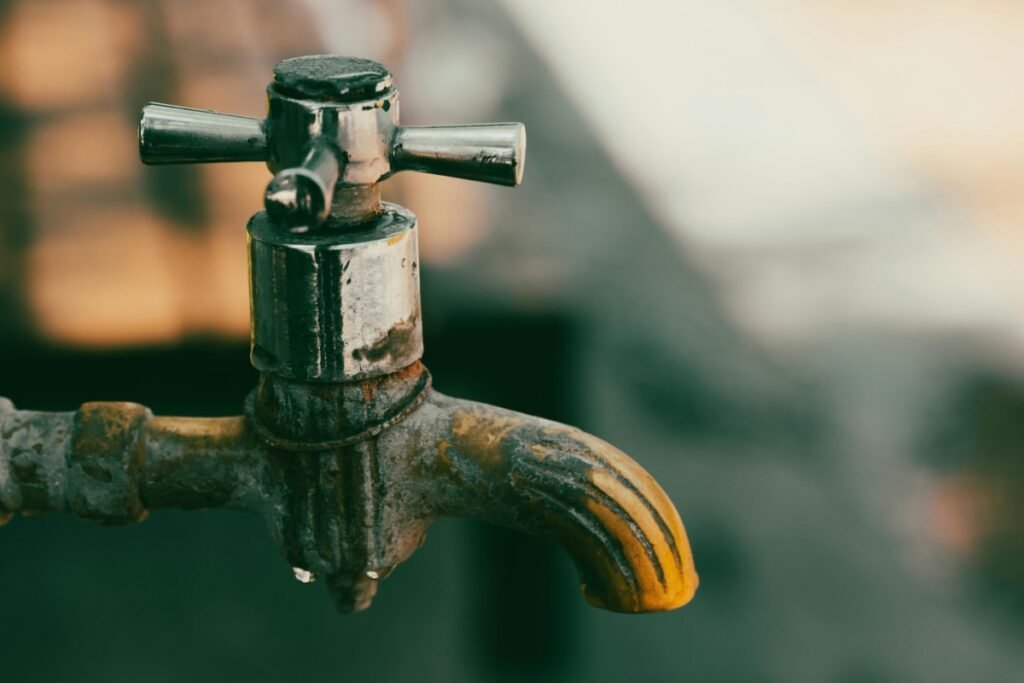
First and foremost, one of the biggest concerns in Indonesia is water safety. Tap water in most regions is not safe to drink, and even locals usually rely on bottled or filtered water.
As a result, many tourists experience stomach issues commonly known as “Bali belly.” This is usually caused by bacteria from water or food that is not properly handled.
Therefore, it is strongly recommended to:
Always drink bottled or filtered water
Avoid ice cubes unless you are sure they are made from clean water
Be cautious with street food that has been sitting out too long
In addition, choosing busy food stalls is often safer, as high turnover usually means fresher food.
2. Heavy traffic and transportation delays
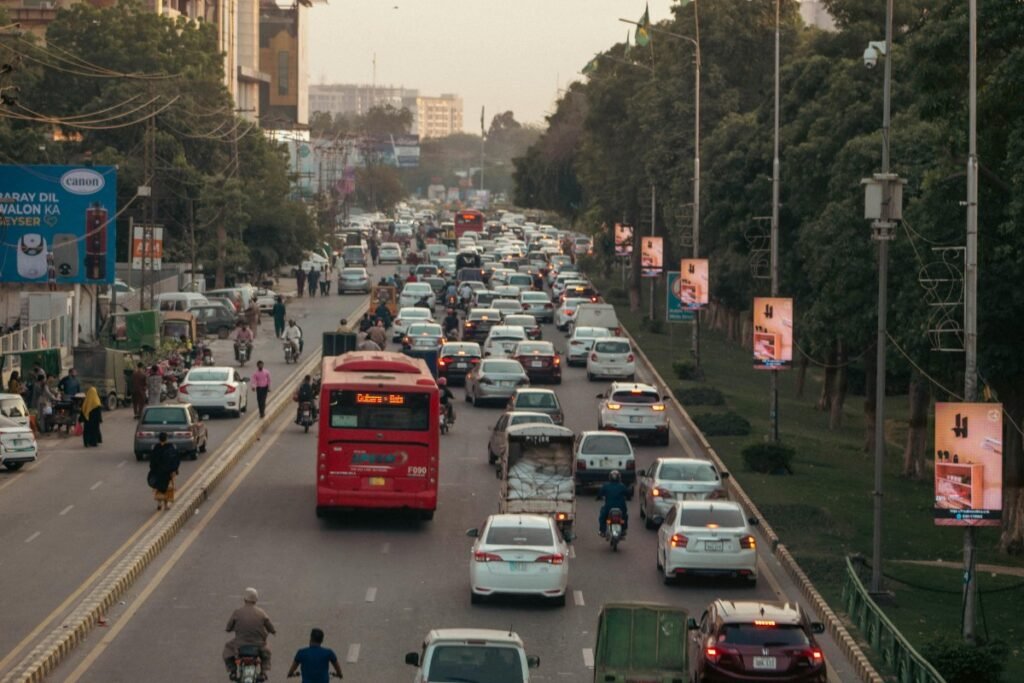
Another major issue in Indonesia, especially in cities like Jakarta and Bali, is traffic congestion. Roads are often crowded, and even short distances can take a surprisingly long time.
Furthermore, traffic is not always predictable. A 10-minute ride can sometimes turn into an hour during peak times.
Because of this, it is important to:
Plan extra travel time
Avoid traveling during rush hours when possible
Use ride-hailing apps like Grab or Gojek for more reliable transport
Additionally, many tourists prefer motorbike taxis for faster movement through traffic.
3. Tourist scams and overpricing
In popular tourist destinations, some visitors may encounter scams or inflated prices. This can happen in taxis, markets, and even during tours.
Although not extremely common, it is still something to be aware of.
For example, you may notice:
Taxi drivers refusing to use meters
Souvenirs being sold at much higher “tourist prices”
Fake or low-quality tour packages
To avoid issues, always:
Agree on the price before the service
Use trusted apps or official services
Compare prices when shopping in markets
As a general rule, a calm and confident attitude helps avoid most problems.
4. Hot, humid, and exhausting weather
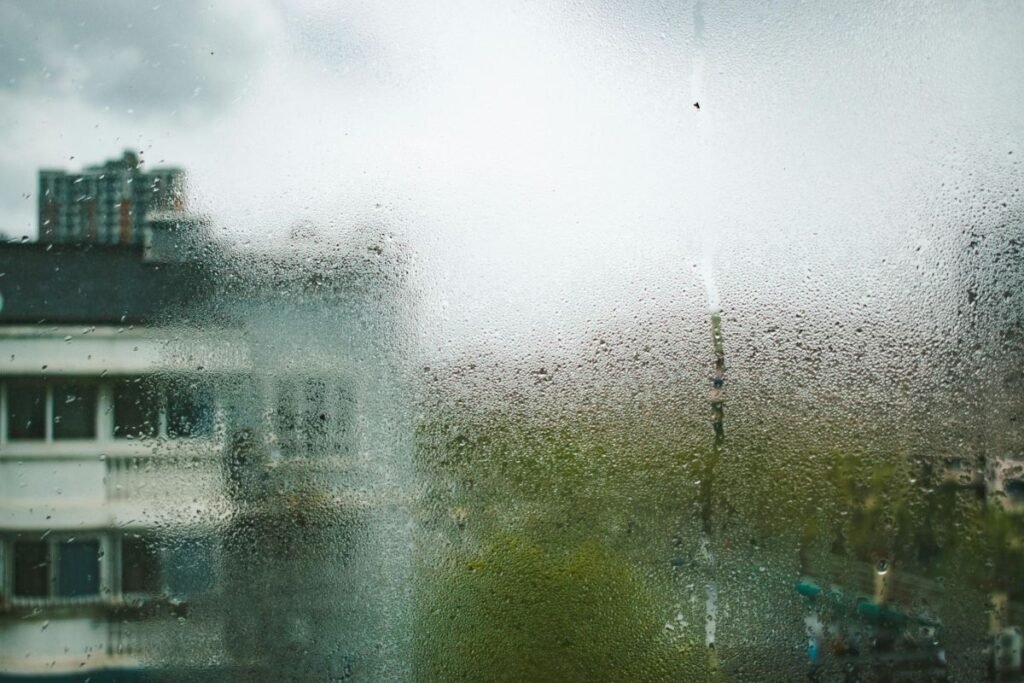
Indonesia has a tropical climate, which means it is hot and humid throughout most of the year. While this is great for beaches, it can also be exhausting for travelers not used to such conditions.
Humidity can make temperatures feel even higher than they actually are.
To stay comfortable, it is recommended to:
Drink plenty of water throughout the day
Wear light, breathable clothing
Use sunscreen and a hat for sun protection
Take breaks in shaded or air-conditioned areas
Moreover, planning activities in the early morning or late afternoon can help you avoid the strongest heat.
5. Cultural rules and local etiquette
Indonesia is a diverse country with strong cultural and religious traditions. Therefore, respecting local customs is very important, especially in rural areas and religious sites.
For instance, in temples and mosques, visitors are usually expected to:
Cover shoulders and knees
Remove shoes before entering sacred areas
Speak and behave respectfully
In addition, public displays of affection are often discouraged in more traditional regions.
By following these simple rules, you not only show respect but also create a more positive travel experience.
6. Health risks beyond “Bali belly”
Besides food and water issues, travelers should also be aware of other minor health risks. For example, mosquito-borne diseases such as dengue fever can occur in tropical areas.
Therefore, it is smart to:
Use mosquito repellent
Wear long sleeves in the evening
Stay in accommodations with proper protection (screens or AC)
While these risks are not a reason to avoid travel, being cautious is always a good idea.
7. Money, ATMs, and payments
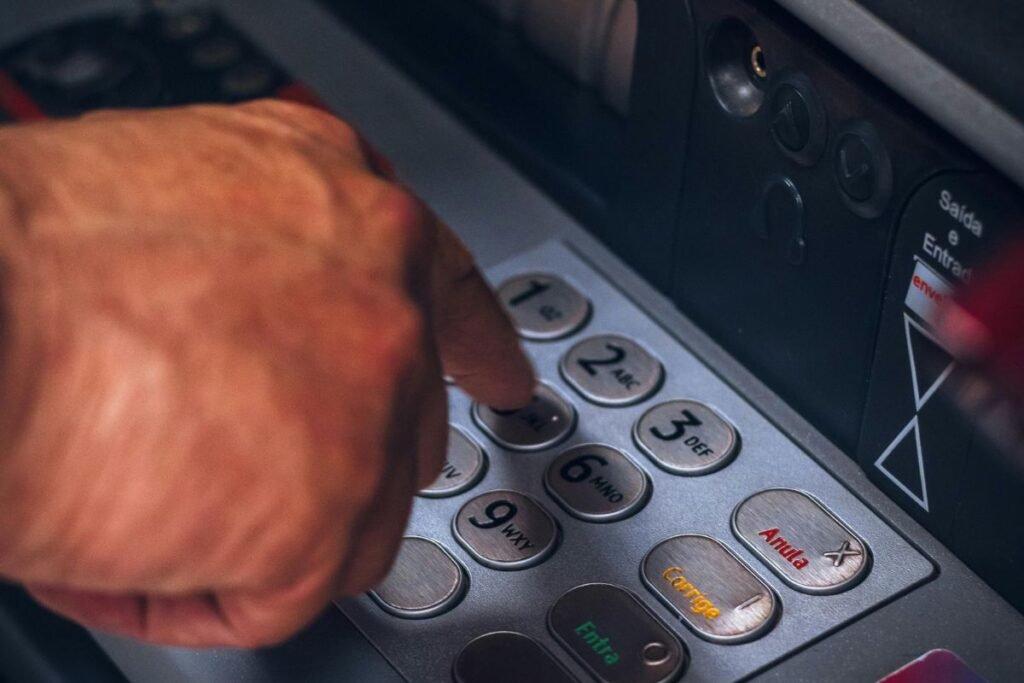
Another practical challenge is money management. While credit cards are accepted in many hotels and restaurants, cash is still widely used, especially in smaller towns and markets.
However, ATM availability is generally good in tourist areas.
To avoid issues:
Carry some cash at all times
Use ATMs inside banks for safety
Be aware of withdrawal fees
Additionally, always check your change when paying in cash.
8. Internet and connectivity issues
Although internet in Indonesia is improving, connection quality can vary depending on the area. In major cities and tourist zones, it is usually stable, but on remote islands it may be slower.
Because of this, many travelers choose to buy a local SIM card upon arrival, which is both affordable and convenient.
Overall, Indonesia is one of the most beautiful and diverse travel destinations in the world. From tropical beaches to cultural landmarks, it offers unforgettable experiences.
However, by understanding these common problems in advance, you can avoid unnecessary stress and enjoy your trip much more fully.
With proper preparation, awareness, and flexibility, your journey through Indonesia can be both safe and truly amazing.








Leave a reply